When I run a workshop, I try to stay out of the way as much as I can. I'd rather participants stumble into the idea themselves than have me hand it to them, even if it takes a longer, less direct road to get there. What people find on their own tends to stick.
This was the team's first workshop on gamification, so I wanted them to find their own way in rather than start from theory. I asked each designer to pick a video game, then name one mechanic in it, precisely. Not “engaging progression system”, something they could point to on screen. I used Knights in Tight Spaces and its playing-card mechanic as an example.
Only then I introduced Octalysis's psychological needs, not as theory to memorize but as language for something they'd already spotted. Each designer mapped their mechanic to one or more needs. The framework arrived once they had a reason to want it.
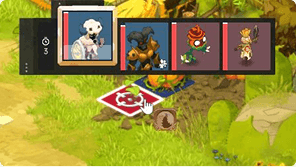
Turn-based battle
Dofus
- Unpredictability & Curiosity
- Social Influence & Relatedness
- Empowerment of Creativity & Feedback
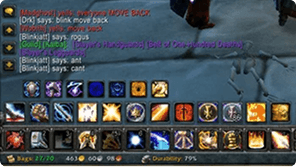
Skillbar
World of Warcraft
- Development & Accomplishment
- Ownership & Possession
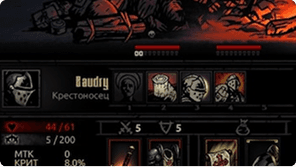
Synchronized skills
Darkest Dungeon
- Loss & Avoidance
- Empowerment of Creativity & Feedback
- Development & Accomplishment
- Scarcity & Impatience
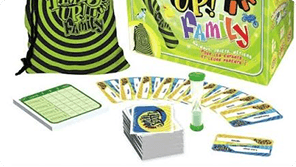
Random card
Times Up
- Development & Accomplishment
- Empowerment of Creativity & Feedback
- Social Influence & Relatedness
- Unpredictability & Curiosity
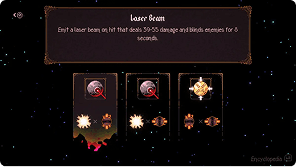
Pick 3
Ball x Pit
- Development & Accomplishment
- Ownership & Possession
- Unpredictability & Curiosity
- Loss & Avoidance

Mystery loot
Mario Kart 8
- Ownership & Possession
- Social Influence & Relatedness
- Unpredictability & Curiosity
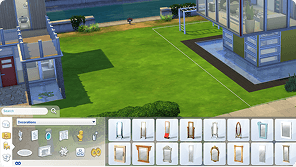
Furnishment list
The Sims
- Ownership & Possession
- Empowerment of Creativity & Feedback
- Development & Accomplishment
The last step closed the loop: take a real business case and rebuild that same mechanic into it, in sketch or mockup form.
Results surprised even me. Several mechanics designers built in that session have a real shot at shipping. My manager, who saw the outcome, asked for a second round with the whole design team, this time built directly around one specific business case.
To be continued…
I’m Maxime Boulogne, I share these notes and case studies to prove UX only serves the light side of the Force.